A bunny, small enough to nestle in a cereal bowl, has recently started hanging out in my backyard. Now and again, it nibbles a plant or lies in the sun. Mostly, it explores the limits of movement, zooming, darting, feinting, and trundling through bushes. Once, I saw it corner so hard that it sprayed mulch in a giant, messy arc. A human kid who did that would almost certainly be called inside to clean up. But I haven’t seen the adults in this bunny’s life in weeks; the baby has carte blanche. If only more of the kids I know could be so lucky.
Sunday, August 30, 2026

Saturday, August 29, 2026
Flood Myths
I have thought for a LONG time that all the flood myths that permiate most cultures on the planet. Epic of Gilgamesh, Noah's Ark, North American Indiginous myths, all lead back to the end of the last Ice Age. Giant walls of ice melting and holding back huge lakes of water that would break free rapidly and randomly. It had to have been tramatizing to the people that expirenced that. This modern flood is just a small example of what they must have expirenced. https://www.youtube.com/watch?v=5WVO8AXClPw
Friday, August 28, 2026
The Lucky Tree of Chapel Rock
 © mandj98 / flickr
  Nature can take hold in precarious places. Chapel Rock on Lake Superior has a single tree perched atop its column. By rights the tree should not be there: the small surface area of land on the top of the rock is insufficient to sustain a tree of this size.
There is hardly any topsoil, certainly not enough for an obviously thriving tree. How then does it flourish?

Image Credit Flickr User DJblock99

Image Credit Flickr User Jim's Travels
Look a little closer and you will see the answer – that rope on the right of the picture is not, in fact a rope. It is a system of roots, extending and stretching over the edge of the rock to the main bluff where there are nutrients and water aplenty.
 © mtsn / flickr Image Credit Flickr User mtsn
Yet how on earth did the root extend over to the mainland? Did it slither in some triffid like way until it reached the other side? Is there a Little Shop of Horrors thing happening here? If you can remember the puzzle about the hanged man in an empty room then you are moving in the right direction to solve one of nature’s mysteries.
 © zoes_pictures / flickr Image Credit Flickr User eoz15
The answer lies in the type of rock upon which the tree is balanced. It is part of the Pictured Rocks National Lakeshore on Lake Superior, which lies between the city of Munising and the township of Grand Marais. Part of this National Lakeshore (the first so designated in the US, back in 1966) which ranges for 42 miles is 15 miles of colorful sandstone cliffs. Sandstone erodes.
 © mtsn / flickr Image Credit Flickr User mtsn
Over the millennia the cliffs have been sculpted in to any number of wonderful shapes, from caves and arches to formations that look like human faces or the turrets of romanticized medieval castles. Chapel Rock is one such rock along the cliff side. Yet until one day in the 1940s the rock was not a pillar – it was an arch.
 © davehogg / flickr Image Credit Flick User Dave Hogg
So, there is your answer. If, in your book, some people are born lucky then so, it seems, is the occasional tree. This one had established itself while Chapel Rock was attached to the main bluff of the cliff face. As it was at the edge of the cliff-side, its roots naturally grew towards the nearest source of fresh water and developed in to a long and strong system. Then, the fateful day came seventy odd years ago. When the sandstone had eroded to a point at which it could no longer bear its own weight, the whole archway tumbled to the ground leaving a pillar behind.
 © mtsn / flickr Image Credit Flickr User mtsn
Yet instead of plummeting to the ground with the rock and the topsoil the roots somehow managed to cling on to either side of where the arch had previously been. The roots have continued to grow over the decades and are now thick and wooden (even though they would already have to have been very strong). They look, to all intents and purposes, as if they have deliberately struggled and strained over the chasm. As tempting as it may look, I can't find any record of any foolhardy sould trying to use the roots to clamber over to the column and tree.
 If had been just a little closer to the arch then there is no doubt that the tree would have fallen. Instead it has puzzled many a visitor to this beautiful part of Picture Rocks National Lakeshore. You might say it’s an arboreal case of the chicken and the egg. Yet just like the hanged man puzzle, if you know how to look for the metaphorical block of ice the answer finally seems obvious.
Friday, July 31, 2026
Nature always has a way of biting back
Nature always has a way of biting back. Sometimes litterly.
Get ready for the Lone Star Tick

Our ignorance, laziness, and greed have directly contributed to the remimergence of measles, screwworms, and "explosive diarrhea". One I find particularly intesting is the expansion of the range of the Lone Star Tick and the Alpha Gal disease that makes people highly allergic to meat.
- The Bullies of the Tick World FreshAir Podcast
- The Tick That Hunts Us Down New Yorker
- Return of Alpha Gal RadioLab 2016 Podcast that has been updated.

Thursday, June 25, 2026
150 Years ago Today June 25, 1876
June 25, 3:00 PM
Following Custer's orders to strike the southern end of the village, Major Reno launched a mounted charge. He was quickly overwhelmed by a massive counterattack of Lakota and Cheyenne warriors. Forced into a defensive timber line and then a chaotic, bloody retreat across the river, Reno's surviving men dug into defensive positions on the bluffs (now called Reno-Benteen Battlefield).
Custer is Isolated
June 25, 3:45 PM
While Reno was pinned down, Custer moved his battalion of roughly 210 men northward along the ridges, hoping to strike the village from the flank or capture non-combatants. Warrior leaders, including Crazy Horse and Gall, redirected their forces northward after repelling Reno, completely cutting Custer off from any support.
Custer's Last Stand
June 25, 4:45 PM - 5:30 PM
Surrounded and heavily outnumbered on a high ridge, Custer's five companies were systematically overwhelmed. Soldiers shot their own horses to form makeshift breastworks, but the defensive lines collapsed rapidly under heavy gunfire and hand-to-hand combat. Custer and every single man in his immediate command were killed.
- The Bismark Tribune actually had a reporter embeded with the 7th Calvery. He was killed along with the others and is known as the first Associated Press reporter to die in the line of duty.

Wednesday, June 3, 2026
Spectral Fronds and Flowers Comprise Elegant Animals in Molly Devlin’s Paintings
Spectral Fronds and Flowers Comprise Elegant Animals in Molly Devlin’s Paintings:
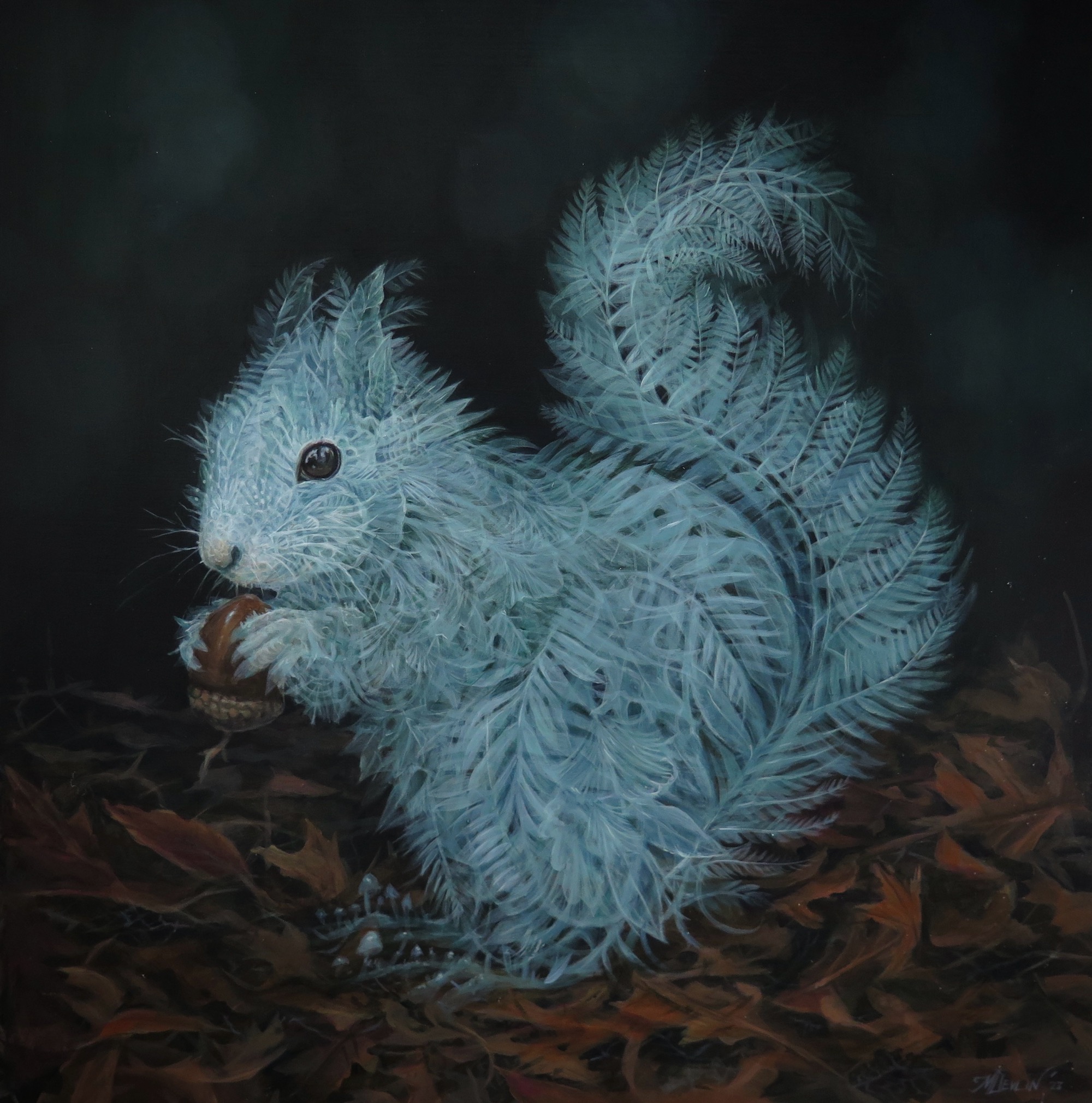
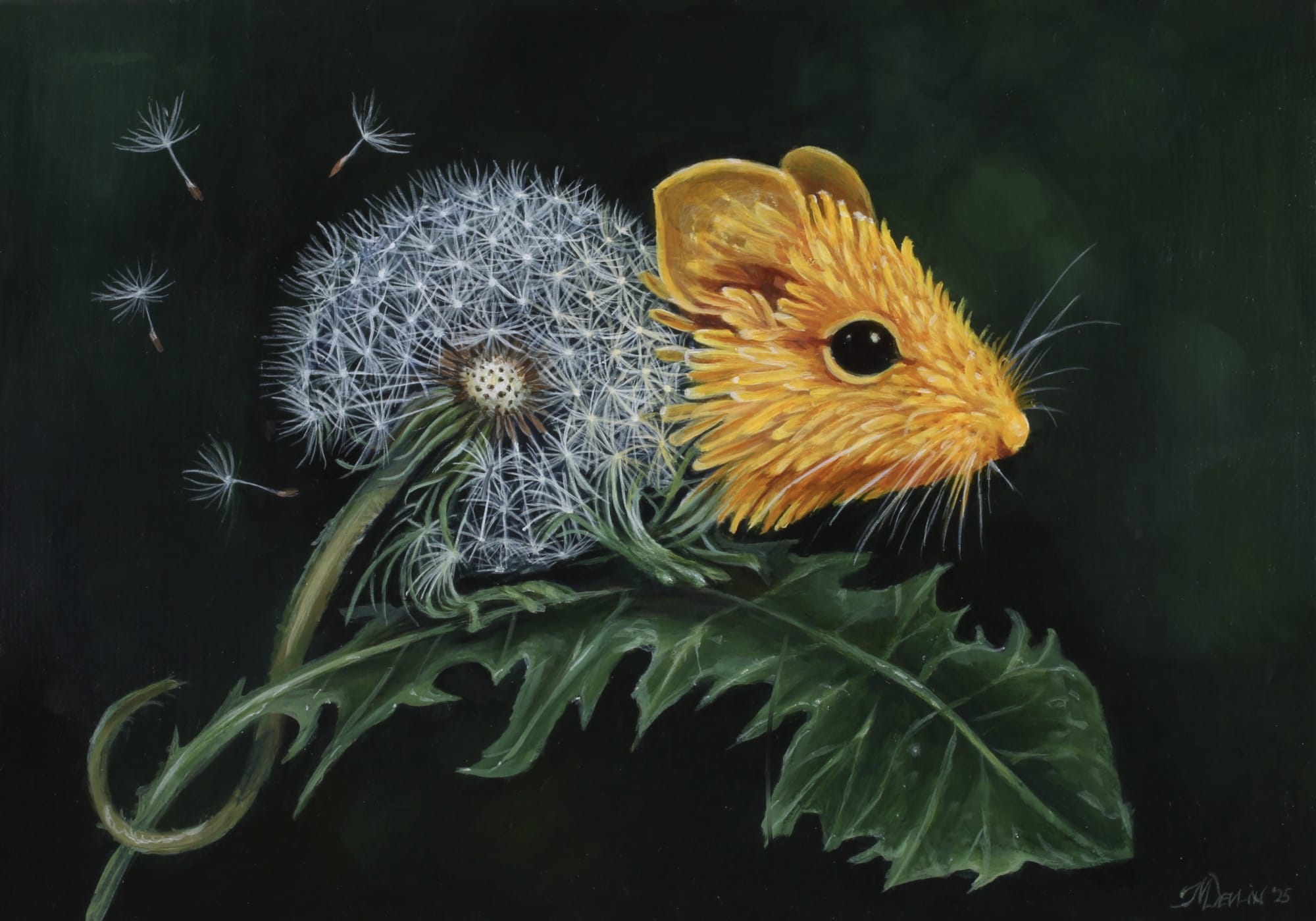
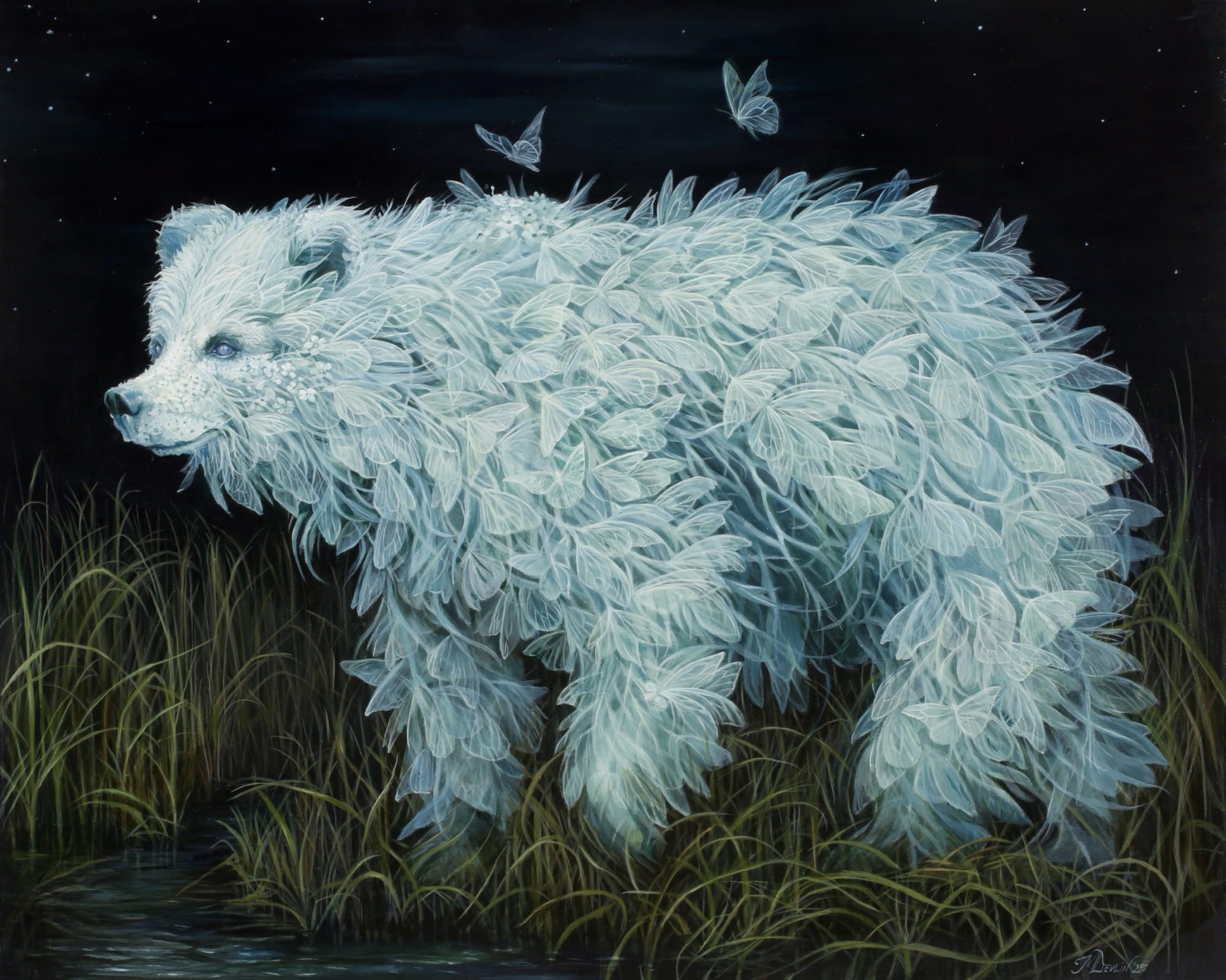
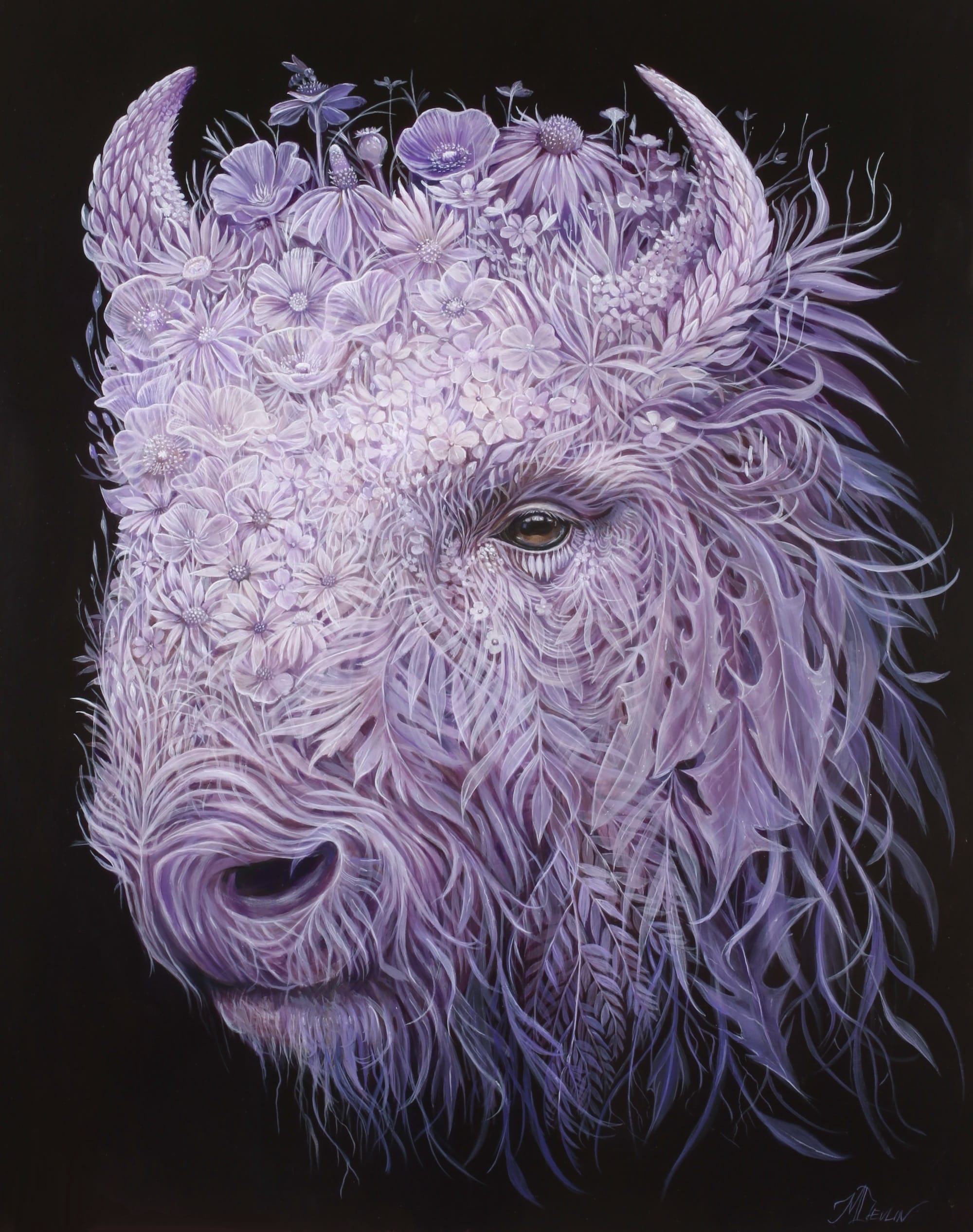
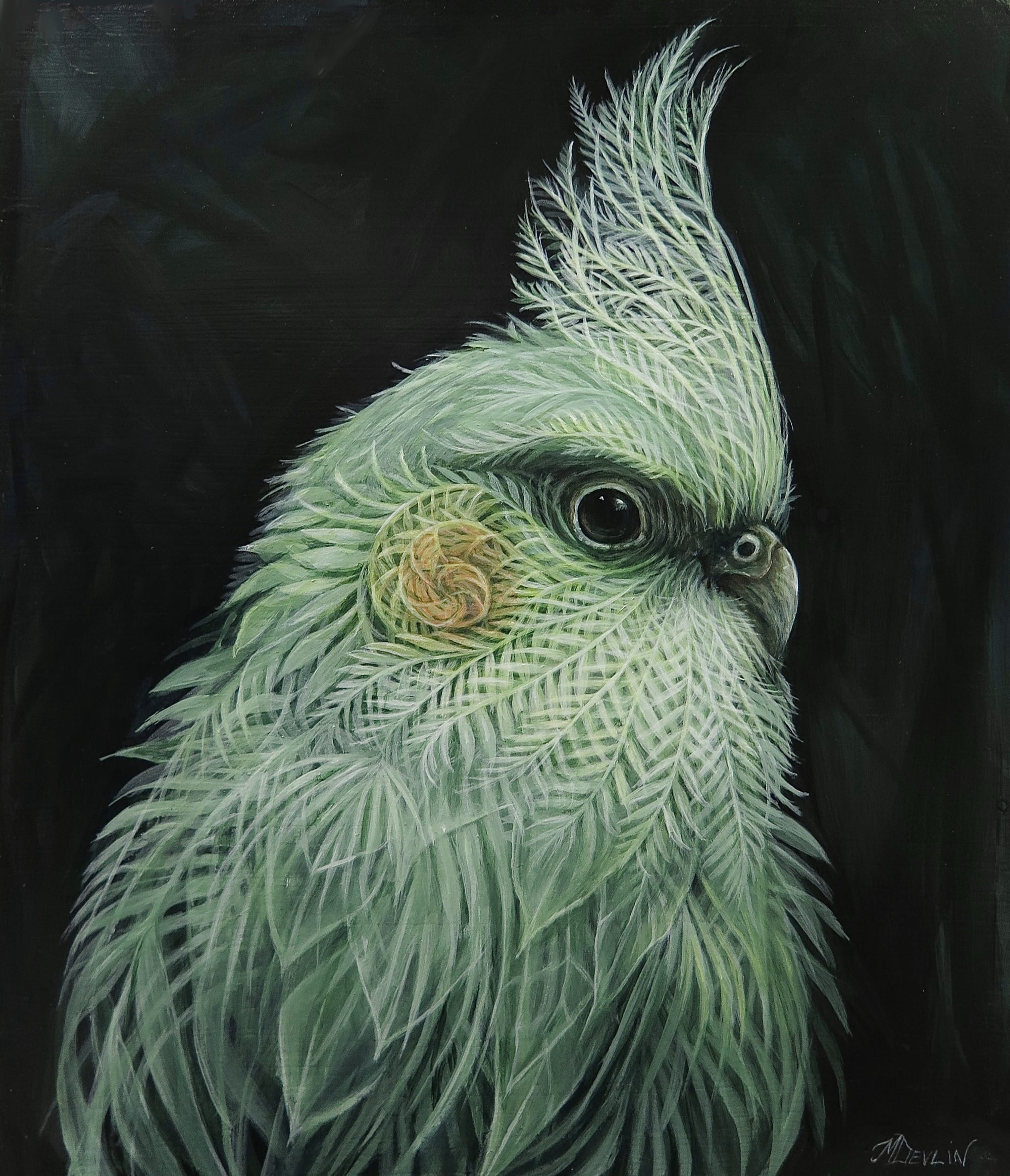

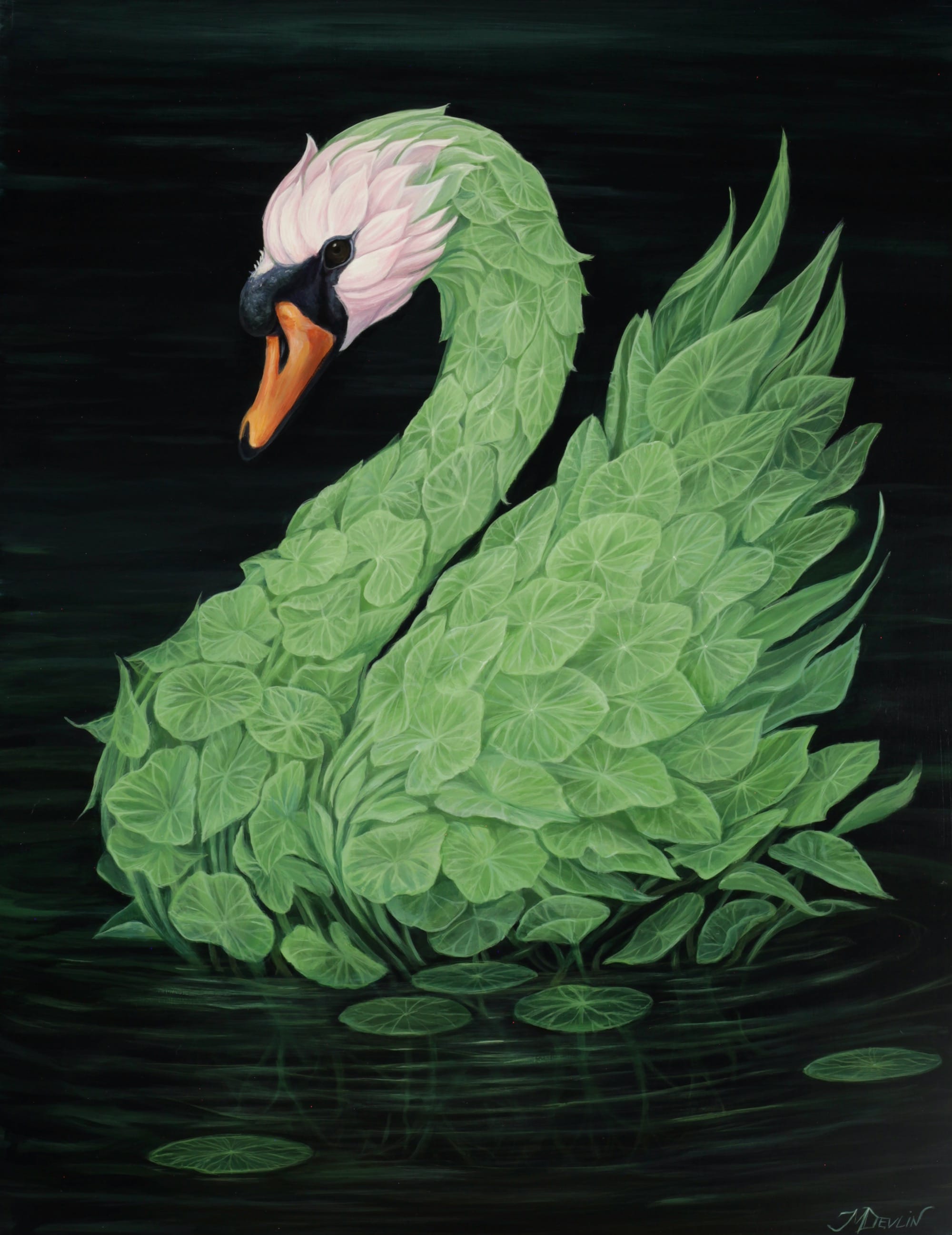
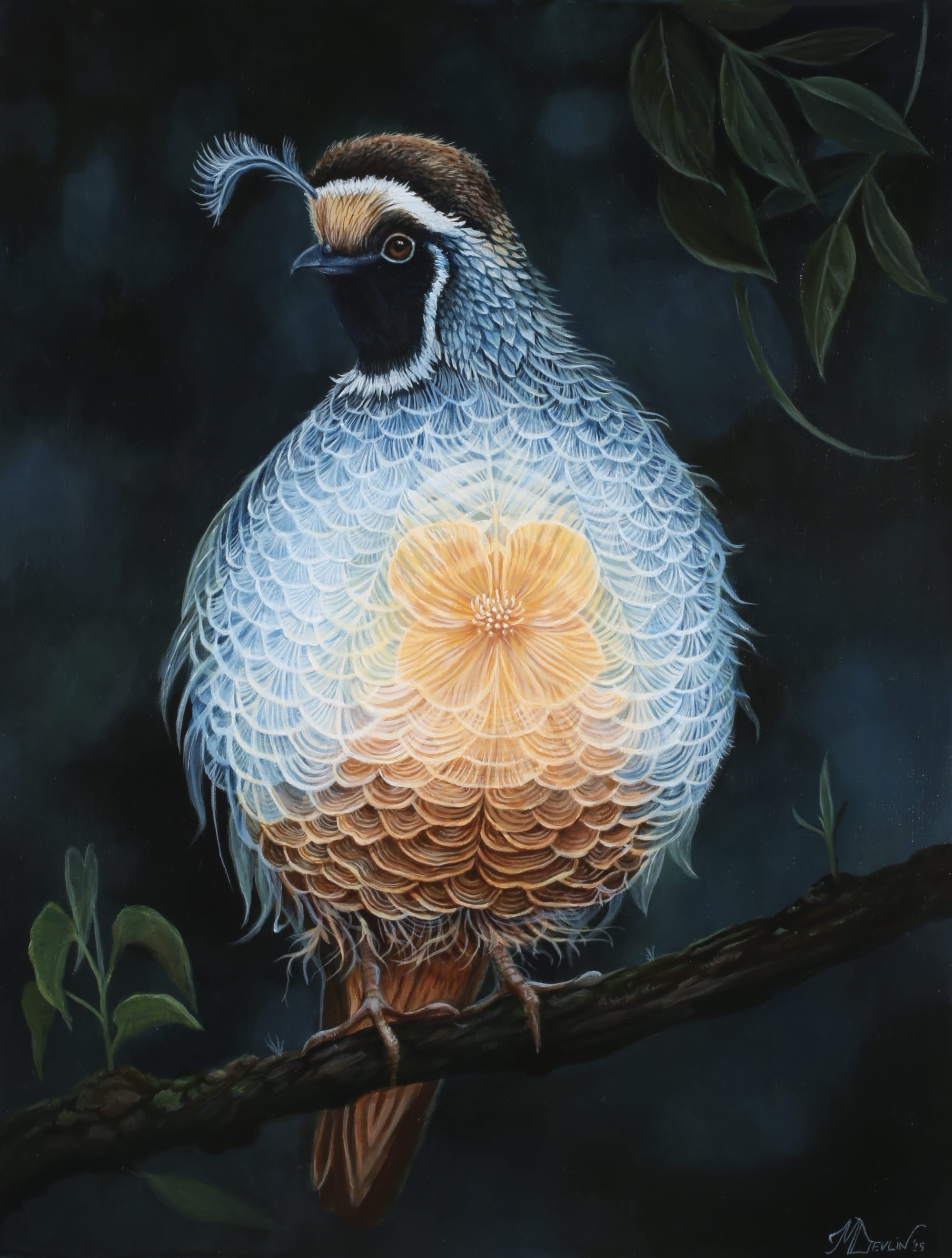
With bodies composed of ghostly ferns, flowers, and fungi, Molly Devlin’s fantastical and ethereal acrylic portraits invite us into a dreamy woodland realm. Her works tap into the beauty and resilience of living creatures, from a white bear cloaked in translucent butterflies to a diminutive mouse composed of different lifecycle phases of a dandelion. Part fauna and part flora, each elegant animal is a reminder of nature’s interconnectedness.
Devlin is currently working toward a solo exhibition opening in early August at Corey Helford Gallery in Los Angeles. She’s also finishing up a mural in collaboration with S.V. Williams along the American River in Sacramento. See more on Instagram.
Do stories and artists like this matter to you? Become a Colossal Member today and support independent arts publishing for as little as $7 per month. The article Spectral Fronds and Flowers Comprise Elegant Animals in Molly Devlin’s Paintings appeared first on Colossal.
Wednesday, May 6, 2026

Subscribe to:
Posts (Atom)