A bunny, small enough to nestle in a cereal bowl, has recently started hanging out in my backyard. Now and again, it nibbles a plant or lies in the sun. Mostly, it explores the limits of movement, zooming, darting, feinting, and trundling through bushes. Once, I saw it corner so hard that it sprayed mulch in a giant, messy arc. A human kid who did that would almost certainly be called inside to clean up. But I haven’t seen the adults in this bunny’s life in weeks; the baby has carte blanche. If only more of the kids I know could be so lucky.
Sunday, August 30, 2026

Saturday, August 29, 2026
Flood Myths
I have thought for a LONG time that all the flood myths that permiate most cultures on the planet. Epic of Gilgamesh, Noah's Ark, North American Indiginous myths, all lead back to the end of the last Ice Age. Giant walls of ice melting and holding back huge lakes of water that would break free rapidly and randomly. It had to have been tramatizing to the people that expirenced that. This modern flood is just a small example of what they must have expirenced. https://www.youtube.com/watch?v=5WVO8AXClPw
Friday, August 28, 2026
The Lucky Tree of Chapel Rock
 © mandj98 / flickr
  Nature can take hold in precarious places. Chapel Rock on Lake Superior has a single tree perched atop its column. By rights the tree should not be there: the small surface area of land on the top of the rock is insufficient to sustain a tree of this size.
There is hardly any topsoil, certainly not enough for an obviously thriving tree. How then does it flourish?

Image Credit Flickr User DJblock99

Image Credit Flickr User Jim's Travels
Look a little closer and you will see the answer – that rope on the right of the picture is not, in fact a rope. It is a system of roots, extending and stretching over the edge of the rock to the main bluff where there are nutrients and water aplenty.
 © mtsn / flickr Image Credit Flickr User mtsn
Yet how on earth did the root extend over to the mainland? Did it slither in some triffid like way until it reached the other side? Is there a Little Shop of Horrors thing happening here? If you can remember the puzzle about the hanged man in an empty room then you are moving in the right direction to solve one of nature’s mysteries.
 © zoes_pictures / flickr Image Credit Flickr User eoz15
The answer lies in the type of rock upon which the tree is balanced. It is part of the Pictured Rocks National Lakeshore on Lake Superior, which lies between the city of Munising and the township of Grand Marais. Part of this National Lakeshore (the first so designated in the US, back in 1966) which ranges for 42 miles is 15 miles of colorful sandstone cliffs. Sandstone erodes.
 © mtsn / flickr Image Credit Flickr User mtsn
Over the millennia the cliffs have been sculpted in to any number of wonderful shapes, from caves and arches to formations that look like human faces or the turrets of romanticized medieval castles. Chapel Rock is one such rock along the cliff side. Yet until one day in the 1940s the rock was not a pillar – it was an arch.
 © davehogg / flickr Image Credit Flick User Dave Hogg
So, there is your answer. If, in your book, some people are born lucky then so, it seems, is the occasional tree. This one had established itself while Chapel Rock was attached to the main bluff of the cliff face. As it was at the edge of the cliff-side, its roots naturally grew towards the nearest source of fresh water and developed in to a long and strong system. Then, the fateful day came seventy odd years ago. When the sandstone had eroded to a point at which it could no longer bear its own weight, the whole archway tumbled to the ground leaving a pillar behind.
 © mtsn / flickr Image Credit Flickr User mtsn
Yet instead of plummeting to the ground with the rock and the topsoil the roots somehow managed to cling on to either side of where the arch had previously been. The roots have continued to grow over the decades and are now thick and wooden (even though they would already have to have been very strong). They look, to all intents and purposes, as if they have deliberately struggled and strained over the chasm. As tempting as it may look, I can't find any record of any foolhardy sould trying to use the roots to clamber over to the column and tree.
 If had been just a little closer to the arch then there is no doubt that the tree would have fallen. Instead it has puzzled many a visitor to this beautiful part of Picture Rocks National Lakeshore. You might say it’s an arboreal case of the chicken and the egg. Yet just like the hanged man puzzle, if you know how to look for the metaphorical block of ice the answer finally seems obvious.
Friday, July 31, 2026
Nature always has a way of biting back
Nature always has a way of biting back. Sometimes litterly.
Get ready for the Lone Star Tick

Our ignorance, laziness, and greed have directly contributed to the remimergence of measles, screwworms, and "explosive diarrhea". One I find particularly intesting is the expansion of the range of the Lone Star Tick and the Alpha Gal disease that makes people highly allergic to meat.
- The Bullies of the Tick World FreshAir Podcast
- The Tick That Hunts Us Down New Yorker
- Return of Alpha Gal RadioLab 2016 Podcast that has been updated.

Thursday, June 25, 2026
150 Years ago Today June 25, 1876
June 25, 3:00 PM
Following Custer's orders to strike the southern end of the village, Major Reno launched a mounted charge. He was quickly overwhelmed by a massive counterattack of Lakota and Cheyenne warriors. Forced into a defensive timber line and then a chaotic, bloody retreat across the river, Reno's surviving men dug into defensive positions on the bluffs (now called Reno-Benteen Battlefield).
Custer is Isolated
June 25, 3:45 PM
While Reno was pinned down, Custer moved his battalion of roughly 210 men northward along the ridges, hoping to strike the village from the flank or capture non-combatants. Warrior leaders, including Crazy Horse and Gall, redirected their forces northward after repelling Reno, completely cutting Custer off from any support.
Custer's Last Stand
June 25, 4:45 PM - 5:30 PM
Surrounded and heavily outnumbered on a high ridge, Custer's five companies were systematically overwhelmed. Soldiers shot their own horses to form makeshift breastworks, but the defensive lines collapsed rapidly under heavy gunfire and hand-to-hand combat. Custer and every single man in his immediate command were killed.
- The Bismark Tribune actually had a reporter embeded with the 7th Calvery. He was killed along with the others and is known as the first Associated Press reporter to die in the line of duty.

Wednesday, June 3, 2026
Spectral Fronds and Flowers Comprise Elegant Animals in Molly Devlin’s Paintings
Spectral Fronds and Flowers Comprise Elegant Animals in Molly Devlin’s Paintings:
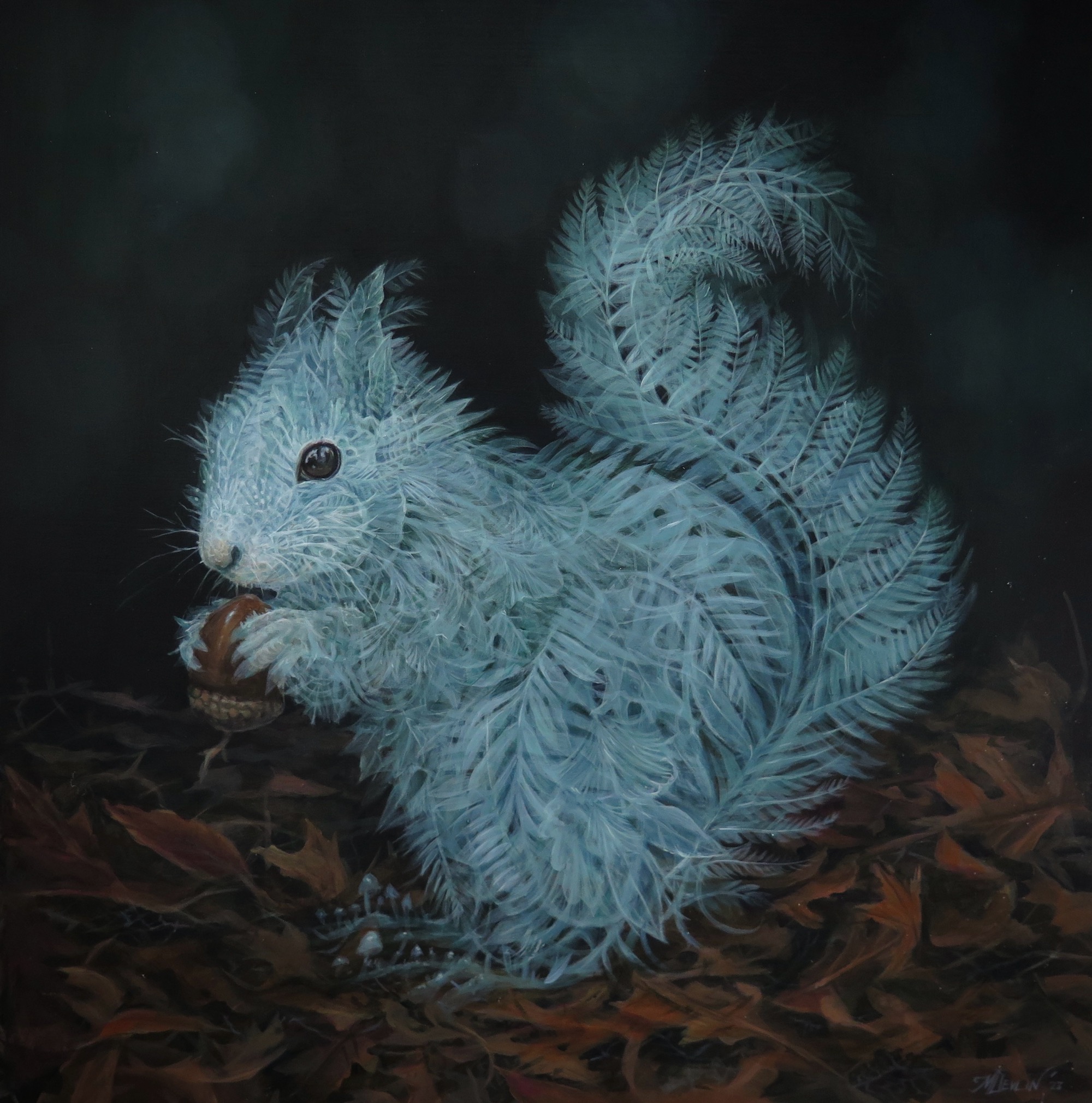
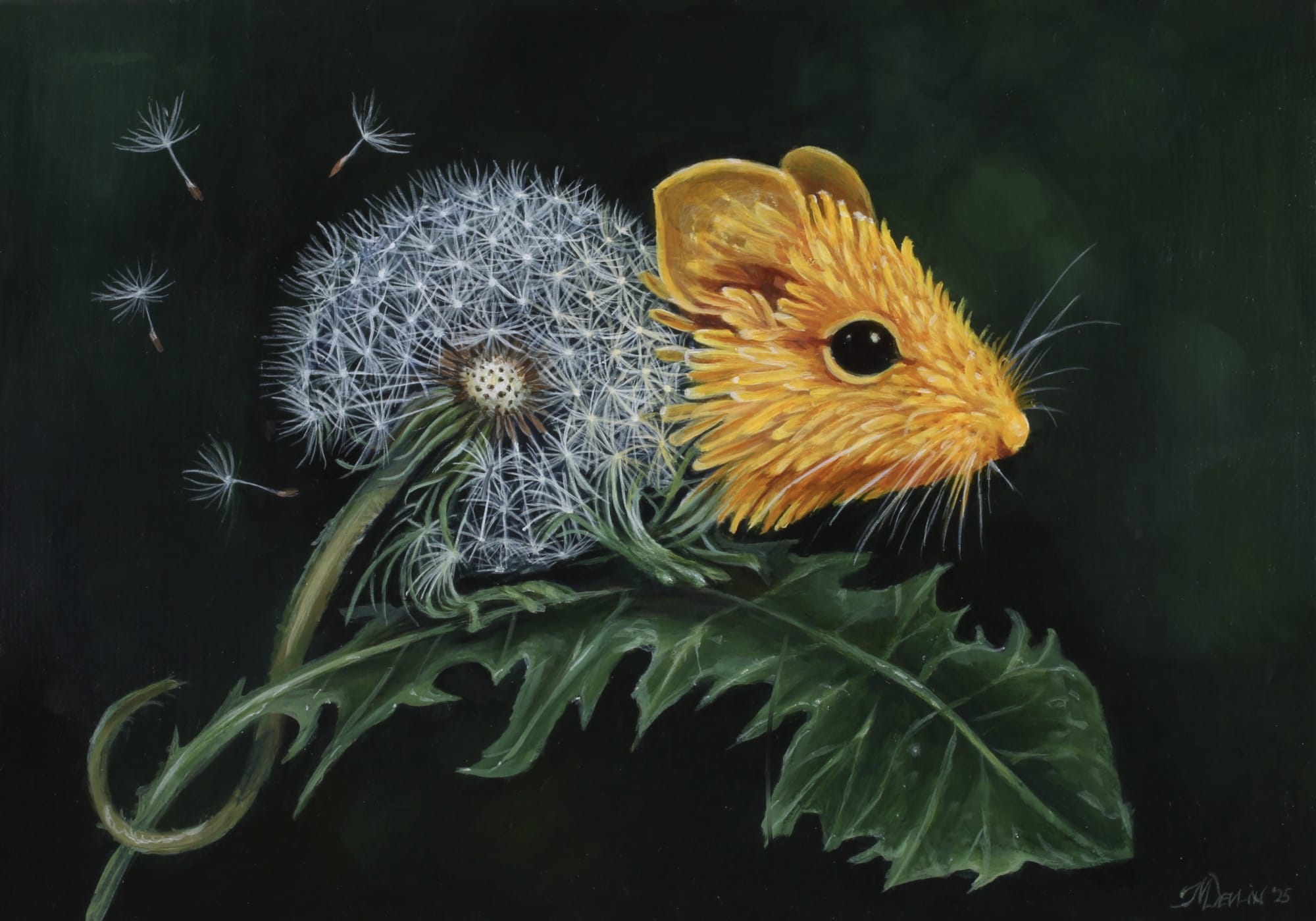
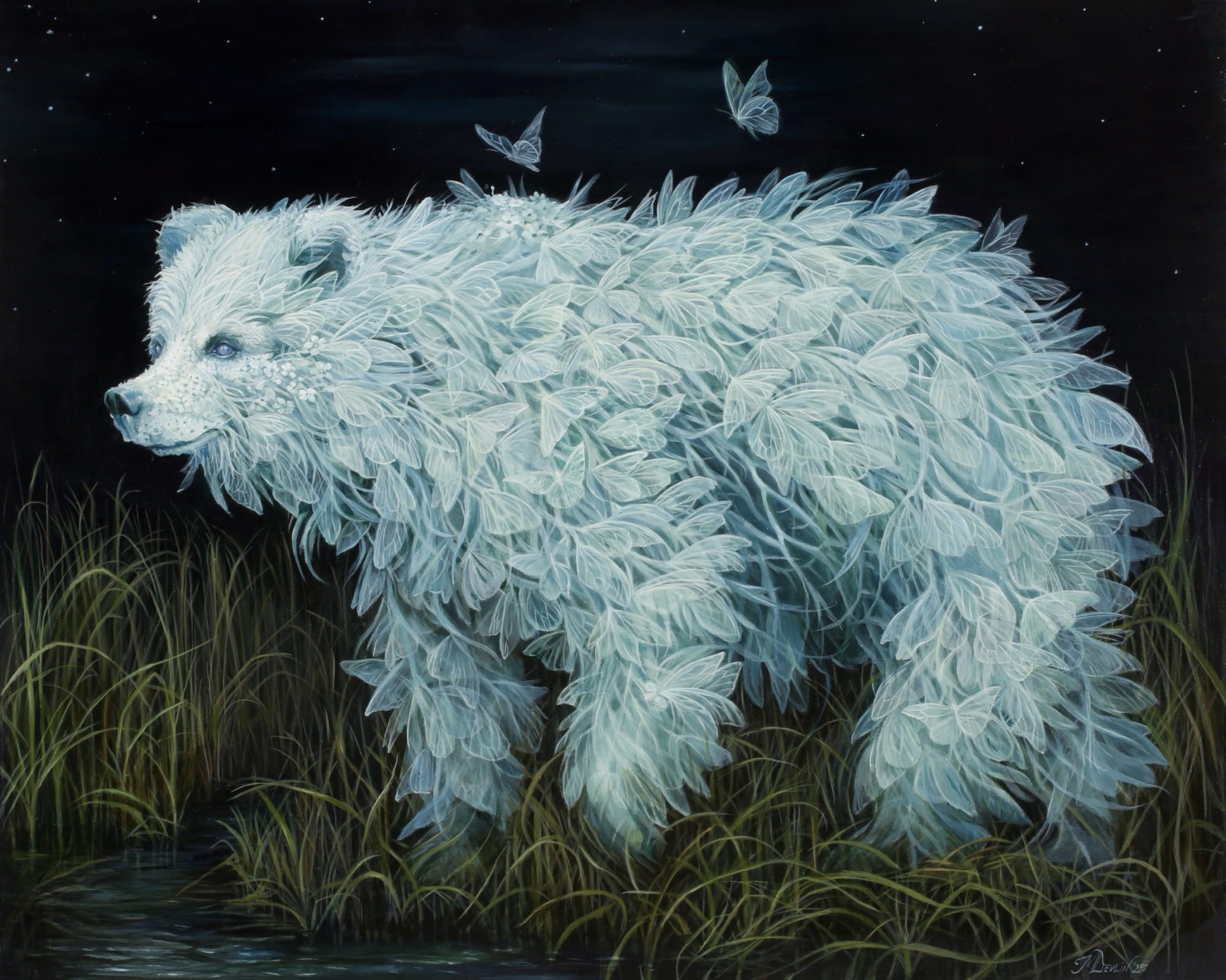
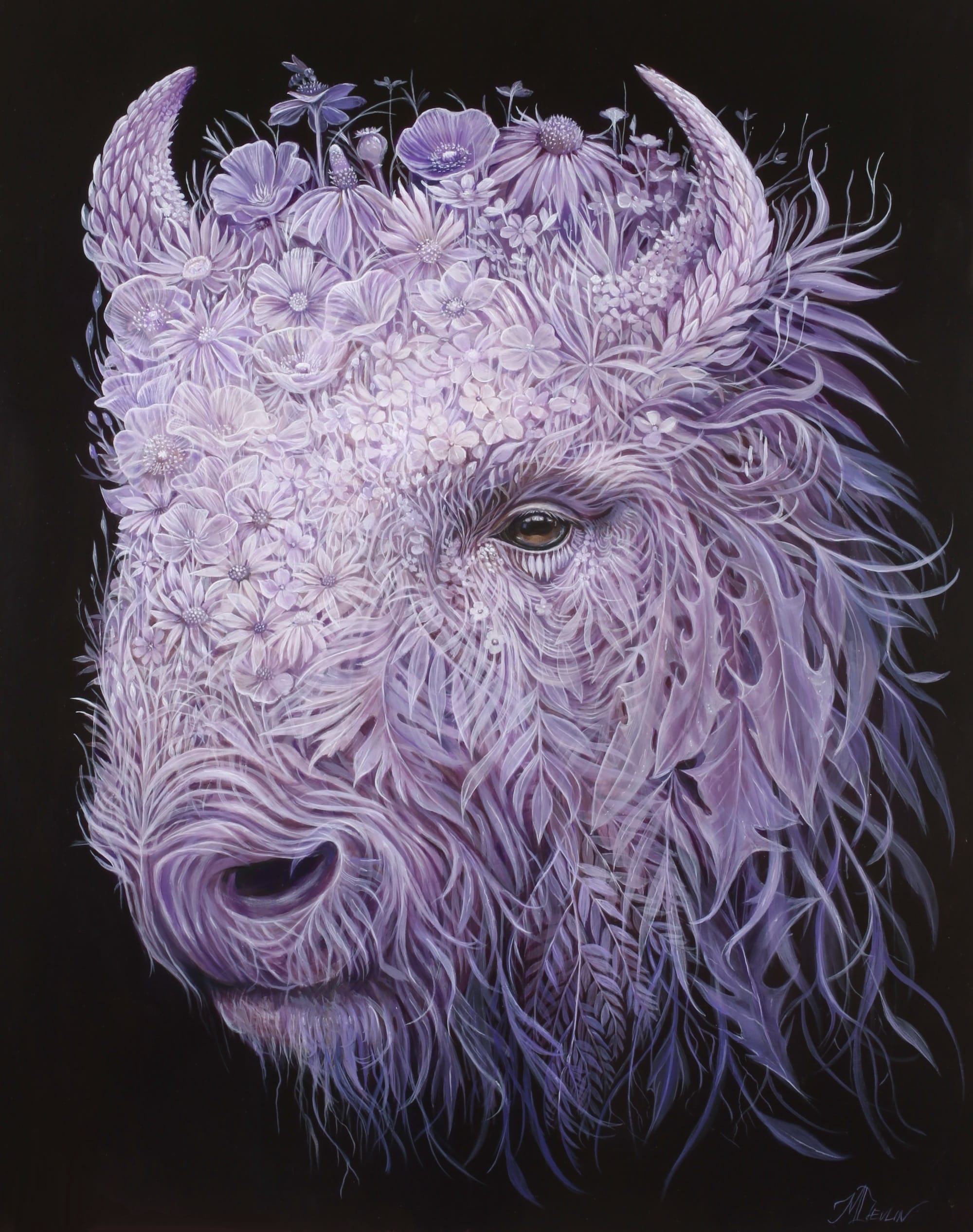
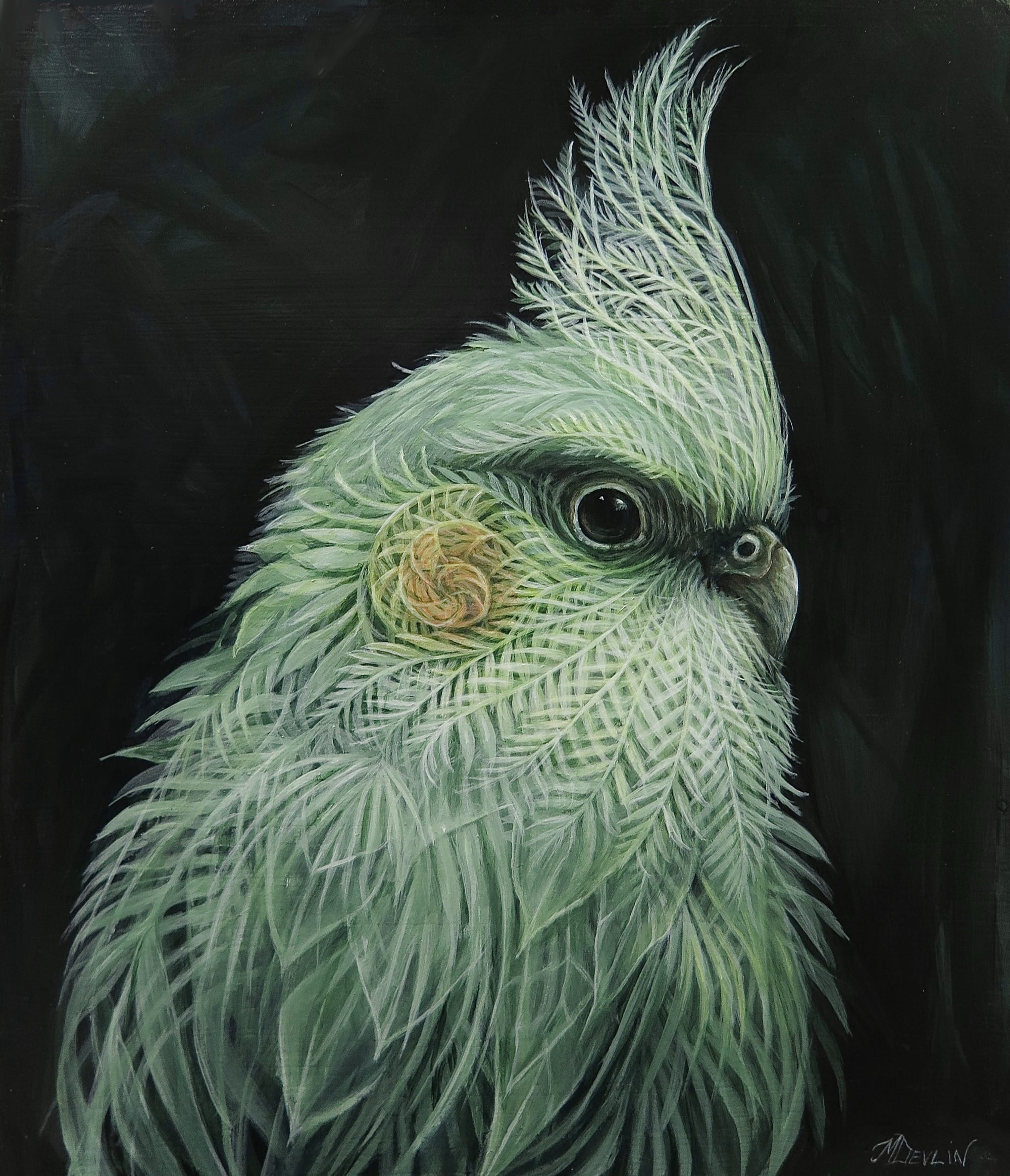
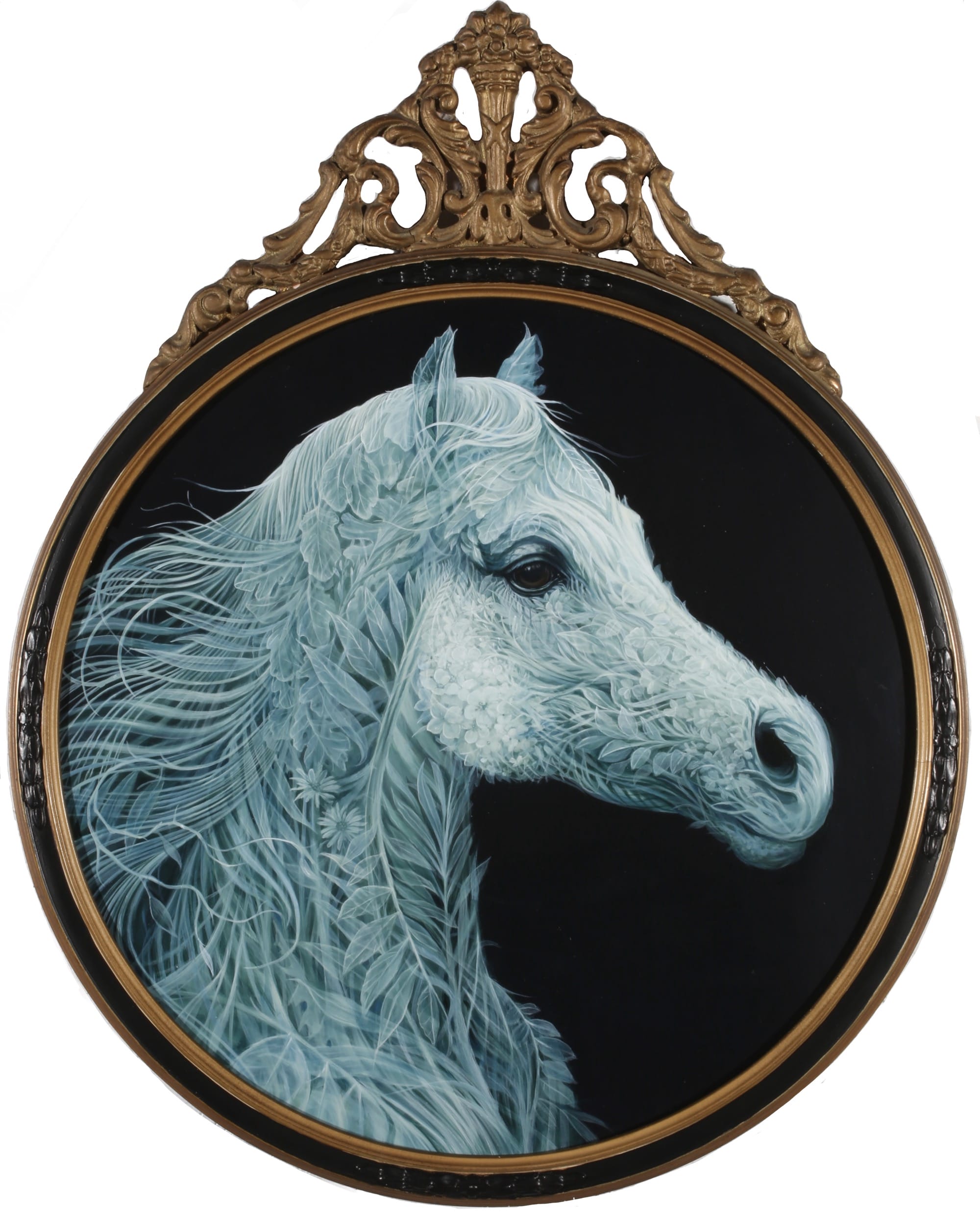
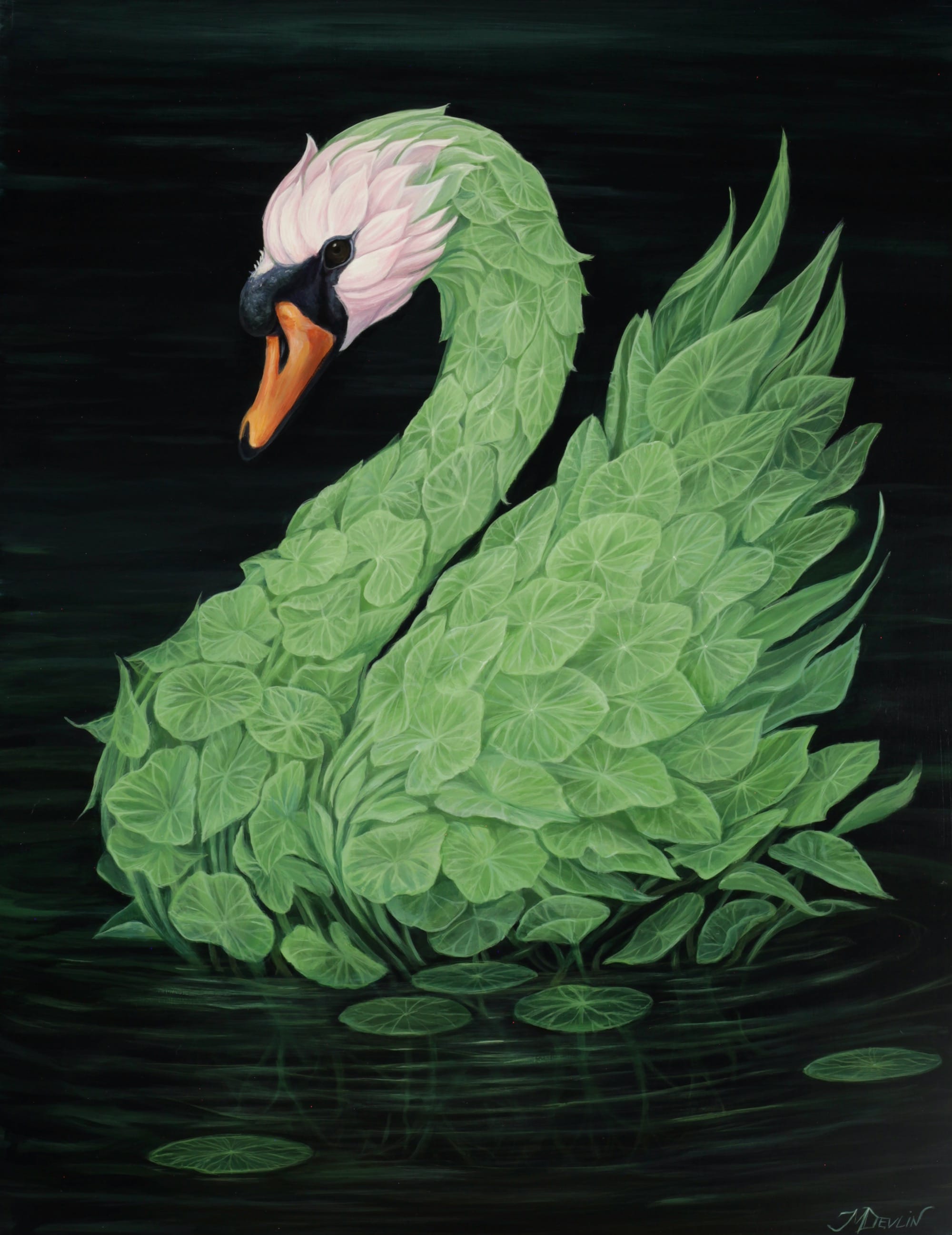
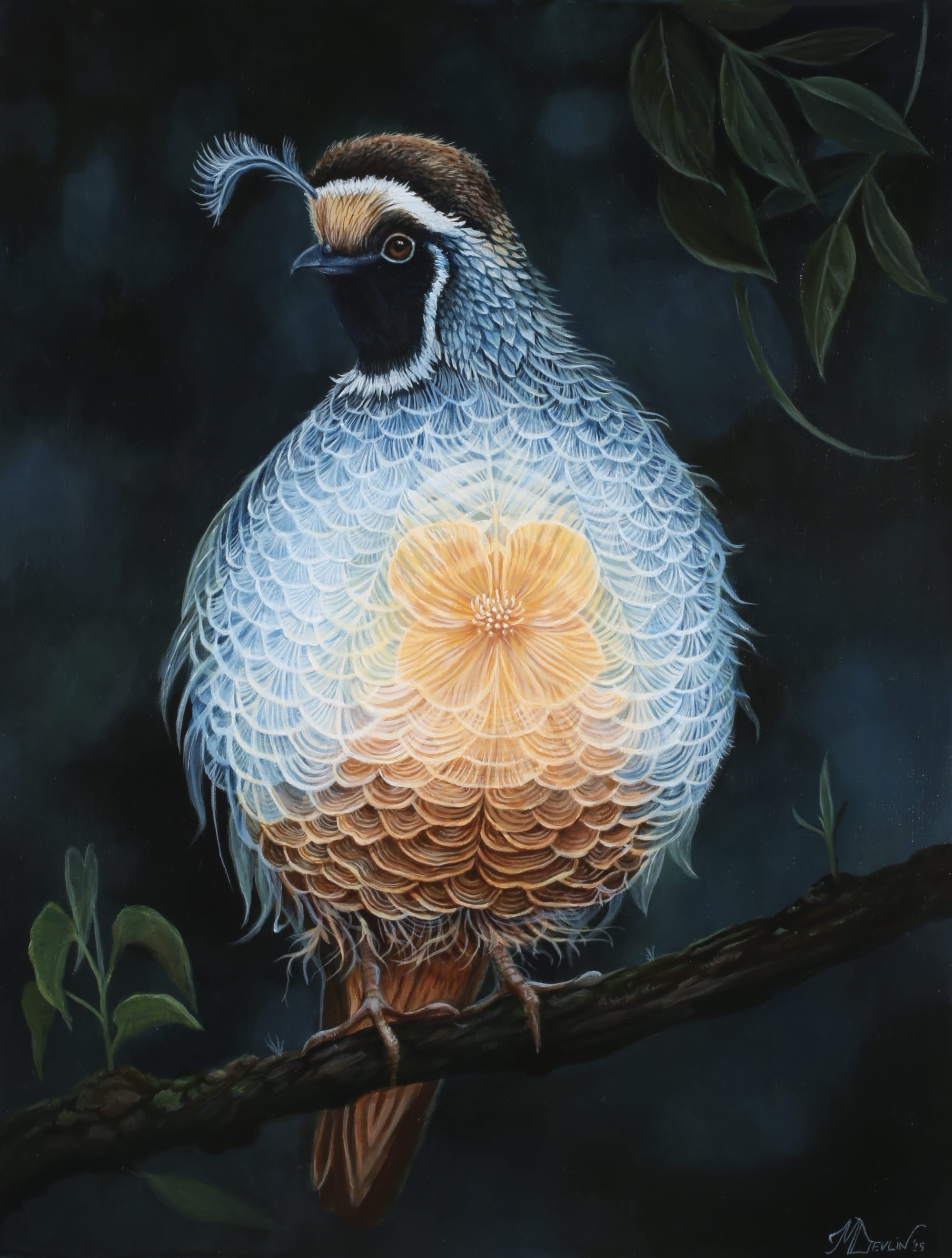
With bodies composed of ghostly ferns, flowers, and fungi, Molly Devlin’s fantastical and ethereal acrylic portraits invite us into a dreamy woodland realm. Her works tap into the beauty and resilience of living creatures, from a white bear cloaked in translucent butterflies to a diminutive mouse composed of different lifecycle phases of a dandelion. Part fauna and part flora, each elegant animal is a reminder of nature’s interconnectedness.
Devlin is currently working toward a solo exhibition opening in early August at Corey Helford Gallery in Los Angeles. She’s also finishing up a mural in collaboration with S.V. Williams along the American River in Sacramento. See more on Instagram.
Do stories and artists like this matter to you? Become a Colossal Member today and support independent arts publishing for as little as $7 per month. The article Spectral Fronds and Flowers Comprise Elegant Animals in Molly Devlin’s Paintings appeared first on Colossal.
Wednesday, May 6, 2026

Tuesday, April 21, 2026
Driving With Dog
Ilektra Poirazoglou made a music video about driving with her Bassett Hound, Elliott
Saturday, April 18, 2026
Hope-65

In the not too distant future, we reach out beyond our own solar system in search of a new home. To do this, space ships are launched, “manned” by our closest relative – chimpanzees. Specially trained, they must ascertain whether or not our exodus may begin, giving us a new home full of natural resources to claim as our own. One of these chimpanzee explorers is Hope-65, one of a long line of her kind to go into space on our behalf. She eventually arrives at a planet which fulfils all the necessary criteria to sustain us into the future. It’s time to let us know, so we can journey to our new home…
This beautifully made animated short was created as a graduation project over a two-year period by students at Ecole Brassart, a French school of the creative professions. The character animation of Hope-65 herself is expert, belying the fact that this is a student made film. The new planet is gorgeous - realised with great care and attention - I think anyone might wish to live there! Although one does have to suspend disbelief around a chimp being allowed to make such a final final decision, that's not too much to ask!
Hope-65 was created by Eliott Curaba, Louis Grand, Nolan Vercasson, Alicia Serra, Mathilde Peis, Evan Mastropietro, Tonin Molina and Léo Soler with music and sound design by Görkem Agar, Eliott Manche-Gentelet, Hugo Bressaud and Ayden Heurtevent. I think this is probably the first time we have featured something by Brassart students on Kuriositas, and from the quality of this, I very much doubt it will be the last. A huge congratulations to all the students (and their teachers) involved in this animated short – it really is something to be proud of.
Tuesday, April 14, 2026

Saturday, April 4, 2026
Exploring Biophilia, The Art of Jim Naughten
Exploring Biophilia, The Art of Jim Naughten:
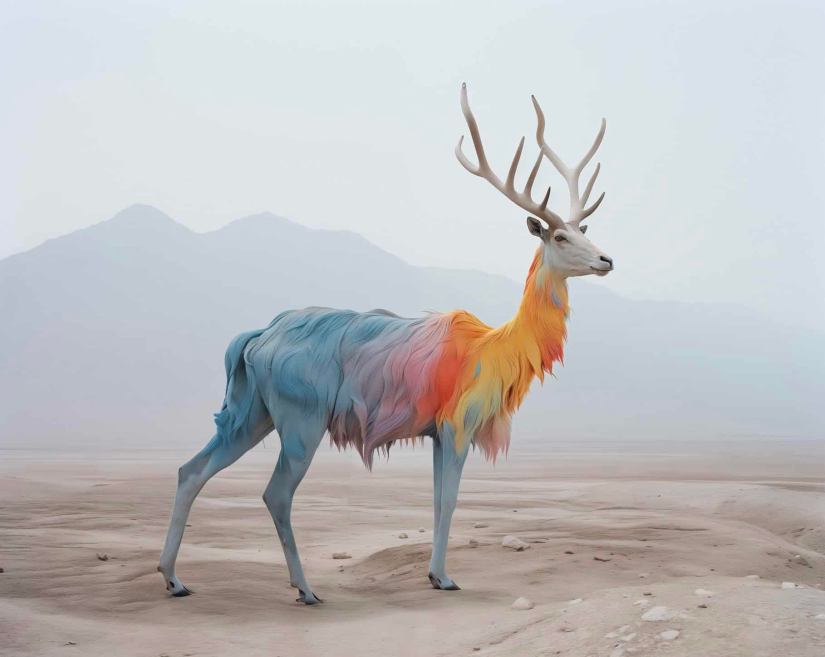
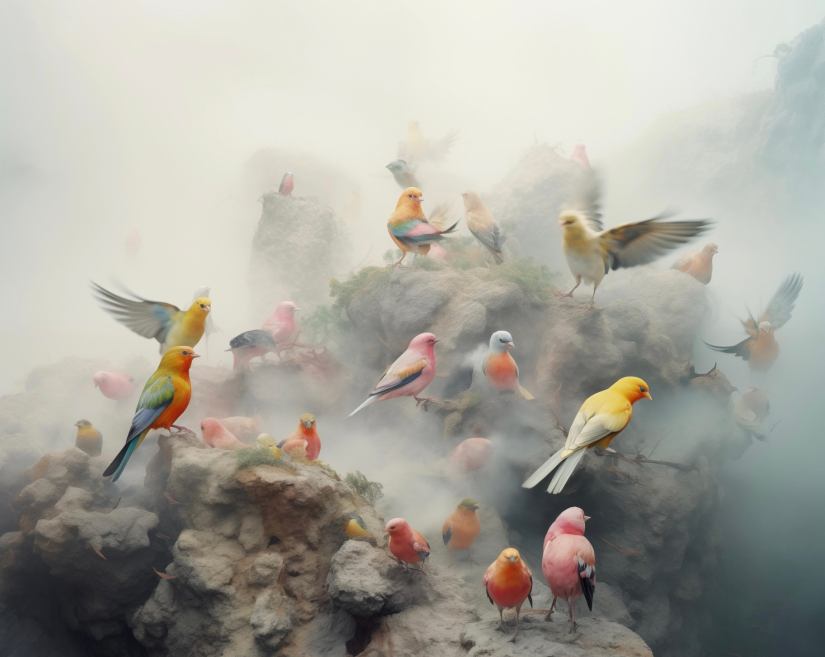
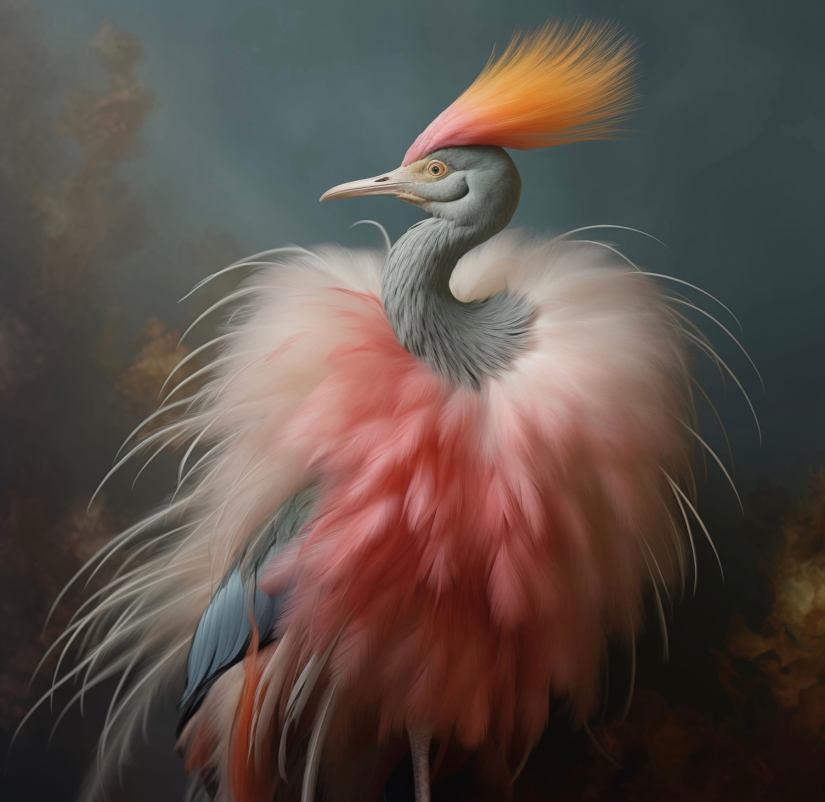 `
`
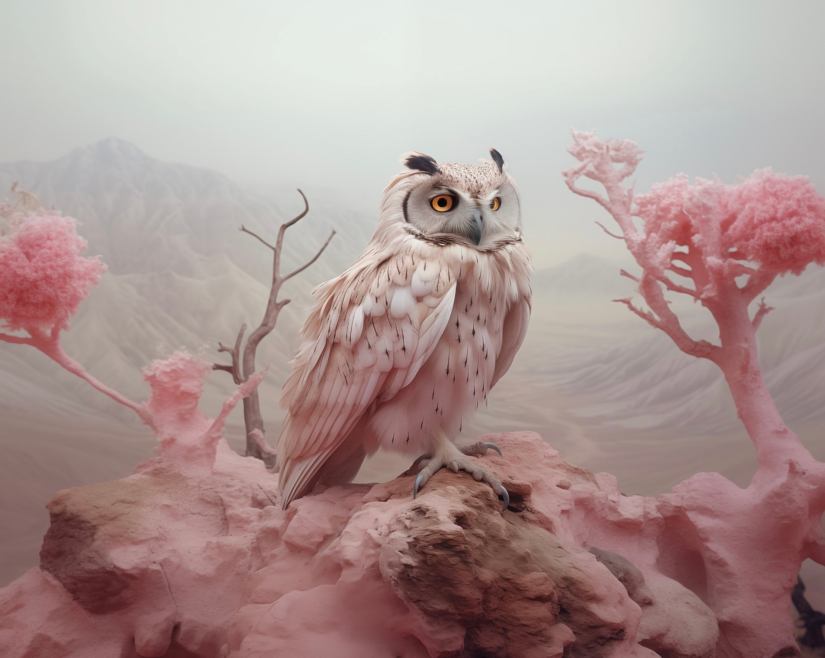
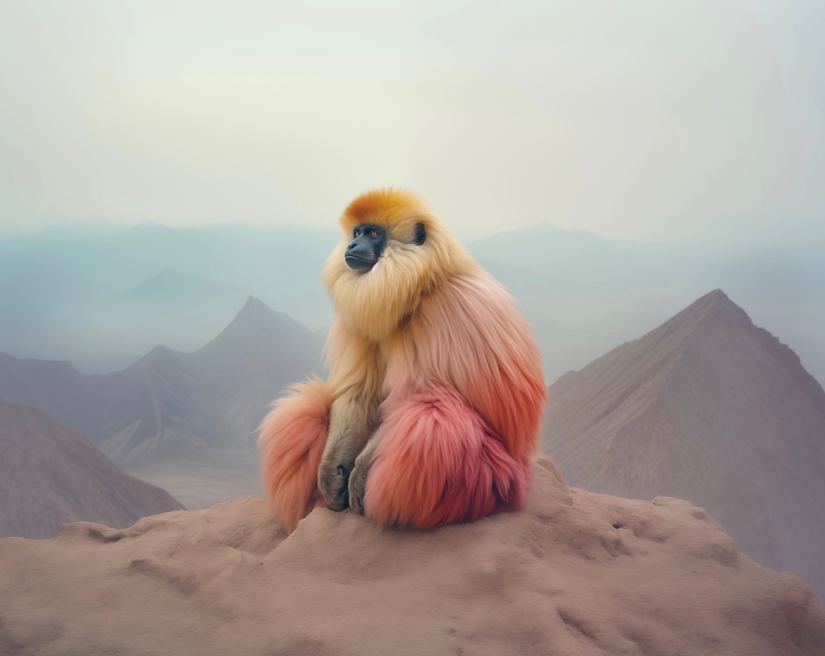
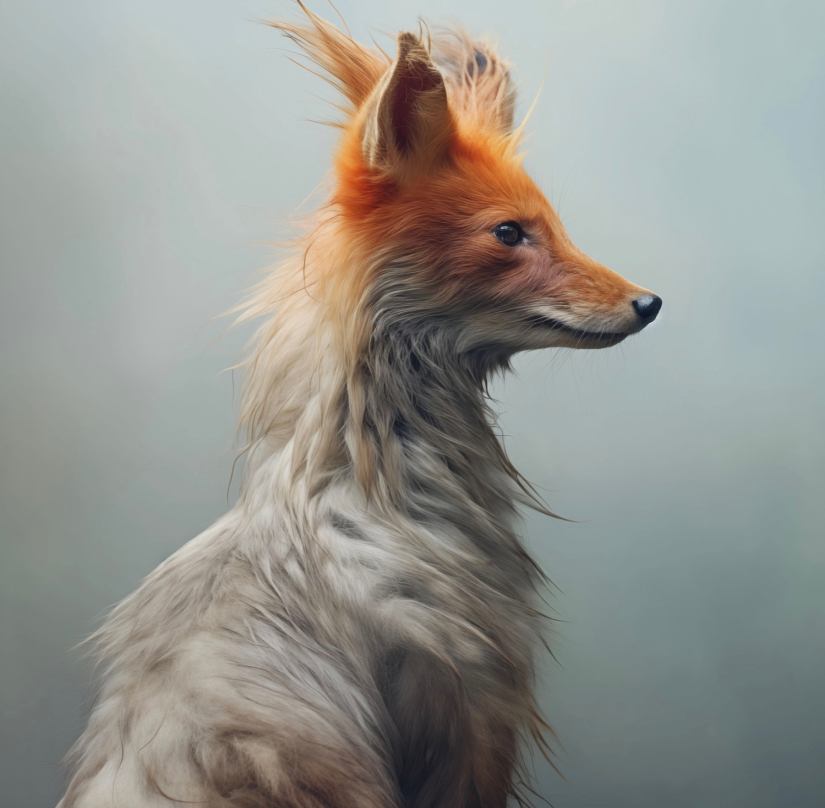
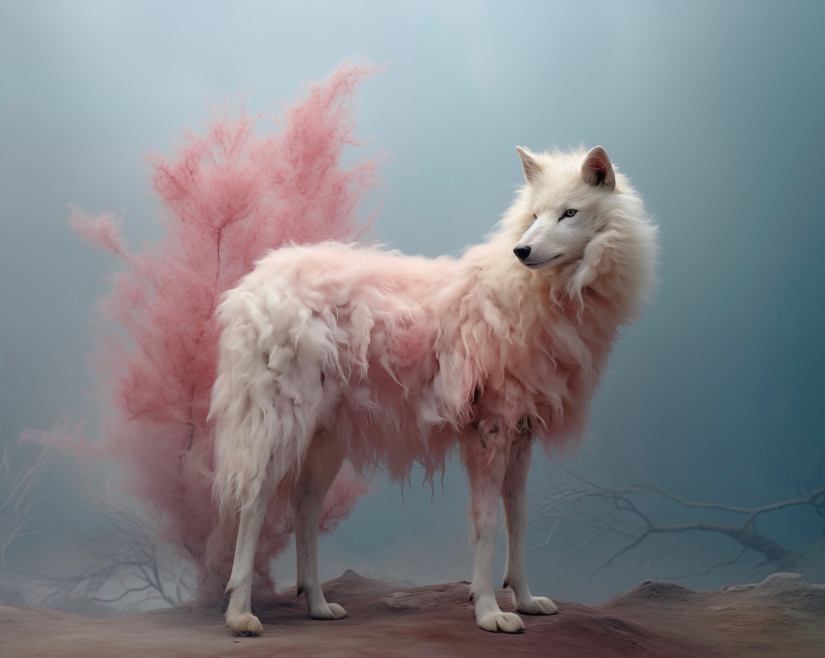
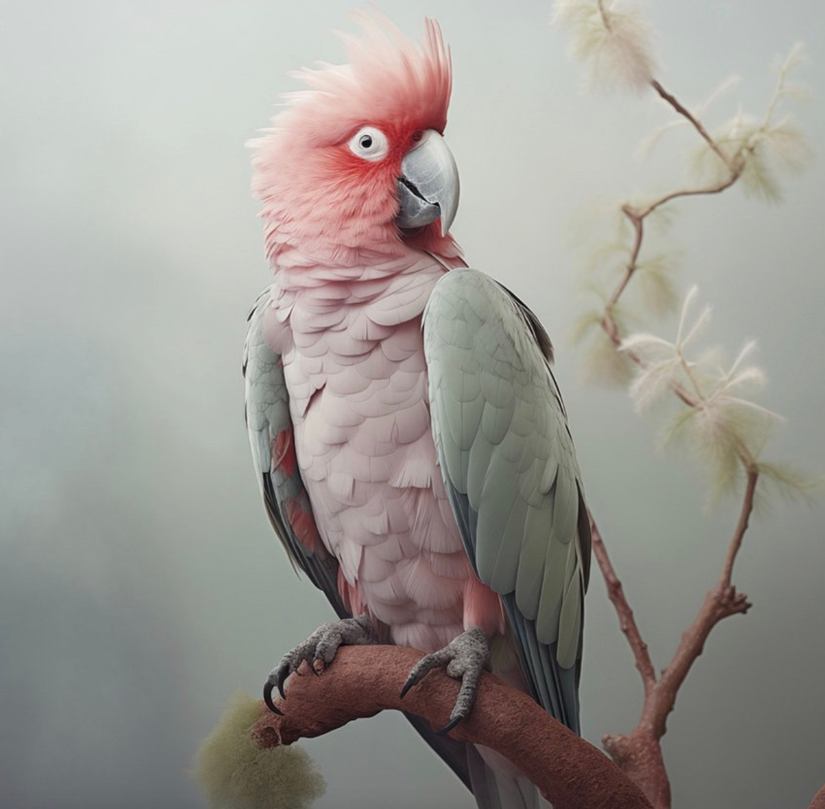
Jim Naughten’s Biophilia unveils a luminous liminality. It’s a space where the essence of life flickers between the real and the imagined.
The colors employed are warm against ethereal foggy skies, and bring the unique creatures into focus.
Each creature, rendered in spectral hues, appears as a guardian of nature’s unseen spirit, their forms pulsating with dreamlike vitality.
These aren’t animals as we know them; they are archetypes.
Through pale iridescent palettes and a fascinating digital alchemy, Naughten conjures animals that exist beyond our fractured world. A brief glimpse of nature’s soul refracted through a visionary lens.
The electric blues and molten gold colors vibrate with uplifting energy, as if infused with inspiring messages from a beautiful harmony of existence.
Biophilia encourages us to look through this fascinating veil, to celebrate the sacred thread that connects us to the wild. In Naughten’s creatures, we see echoes of ourselves: radiant, resilient, and yearning for a joyful reunion with the infinite.
“’Biophilia’, an AI art project, transcends the boundaries of reality to paint fictional images of wildlife, illuminating the expanding gulf between humanity and the natural world. Through the fusion of human creativity and machine learning, the artwork weaves hallucinations into the fabric of surreal, fictional animal portraits.
They act as visual metaphors which question our fractured relationship with the wild world. Through biophilia, we are attracted to the animal in art, and recognise and continue to feel affinity through our shared history, albeit through an increasingly distance and distorted, man-made lens.”
Images © Copyright Jim Naughten. Images used with artist’s permission. See Jim Naughten’s work on his website.
The post Exploring Biophilia, The Art of Jim Naughten appeared first on Moss and Fog.
Tuesday, March 24, 2026
Stephen Morrison's Trompe-L'œil 'Dog World' Paintings Are Fetching
Source: https://www.thisiscolossal.com/2026/03/stephen-morrison-trompe-loeil-dogs-paintings/

“147 Rue Léon-Maurice Nordmann” (2025), oil on canvas, 51 x 79 inches. All images courtesy of the artist and SLAG&RX, shared with permission
Any dog owner can appreciate the kind of unfettered, often visceral reactions canines have to everything from their favorite treats to a scurrying squirrel to another dog passing by the window. Their lack of inhibition and legendary fidelity bring comfort, routine, and goofiness to our daily lives despite their total unawareness of their effects on us. For Stephen Morrison, curiosity and play find their way into that “invite viewers to rediscover the magic and absurdity often obscured by the routine,” he says.
Morrison’s practice has lately revolved around compositions of everyday objects and tableaux in which dogs’ features appear unexpectedly. A snout stands in for the flap of a handbag or juts out from the side of a Pepsi can. His current solo exhibition, Dog Show #5: Field Recordings at SLAG&RX, centers on a series of objects referencing places he worked on the pieces—Paris, New York City, and Maine—that also play important roles in his life.

“111 Limerock Street” (2025), oil on quilted fabric on panel, 79 x 51 inches
Morrison’s own memories and connections find their way into his collection of books, foods, photographs, and other items in an almost seek-and-find fashion. At first glance, the tableaux appear simply as collections of everyday things like vases, fruit, and cameras. But upon closer inspection, tiny visages appear along with references to dogs, from bones stitched into patchwork backgrounds to the sleepy face of a pooch in the center of a starfish and a bunch of green grapes with puppy faces. Always relaxed, even sleepy, the dogs’ expressions evoke a calm sweetness, even nostalgia, paired with a sense of abundance.
In this series, the artist grapples with what belonging means, from revisiting his childhood home in Maine to thinking about his past decade in New York City to spending two months in Paris, where, “despite being married to a Frenchman, having many French friends, and having spent considerable time in the city, I had never felt at home,” he says. “The ornate beauty of the architecture and the sense I have of everything being solidly ‘in its place’ makes it hard to feel inspired there for me.” So, he set out to explore that sense of disjointedness and creative conflict.
France is referenced in Morrison’s paintings by backgrounds of toile, or toile de jouy, a fabric design popular in the 18th century that features pastoral scenes, while Maine is represented by patchwork quilts he co-designed with his mother, who actually stitched them before they were incorporated into the works. “By bringing the objects and backgrounds into my dog world, I’ve rewritten my external material world through this lens, creating a new and more uniquely personal vision of these places,” he says.
Morrison will be an artist-in-residence at BUoY in Tokyo this summer, where he’s looking forward to incorporating Japanese textiles into a new series of paintings. He’s also preparing for a pop-up solo exhibition at Lazy Mike Gallery in Seoul and a group exhibition at Hashimoto Contemporary. Dog Show #5: Field Recordings continues through March 28 in New York. See more on the artist’s Instagram.

Detail of “111 Limerock Street”

“Untitled (Maine 2)” (2026), oil on quilted fabric on panel, 20 x 16 inches

“Untitled (Paris 2)” (2025), oil on canvas, 20 x 15 inches

“Untitled (NYC)” (2026), oil on panel, 20 x 16 inches

“Untitled (Paris 1)” (2025), oil on canvas, 20 x 16 inches

“Untitled (Maine 1)” (2026), oil on quilted fabric on panel, 20 x 16 inches

Detail of “Untitled (Maine 1)”

Detail of “147 Rue Léon-Maurice Nordmann”
Thursday, March 19, 2026

Wednesday, January 7, 2026
Albino Trees
I had no idea and fascinated that trees can actually have genetic modification that makes them albino. They have no chlorophyll. That exist by absorbing nutrients from nearby trees. Even the mighty redwood can have this genetic modification.


Saturday, October 18, 2025
Golden Record Recieved

Have you ever wondered what might happen if the Voyager spacecraft, launched in 1977 to reach out to extra-terrestrial civilizations (among other things!) was discovered by an alien species? This animated short by Katarina Hughes answers the question.Although this “ground” has been covered by a number of TV shows and movies (most notably in Star Trek: The Motion Picture), I think Hughes has come up with something… much more likely… here.
https://www.kuriositas.com/2025/10/golden-record-received.html
Wednesday, August 27, 2025
On this day in History: Aug 27, 1883 - The loudest Sound in Recorded History
The Day the World Roared: Krakatoa's Earth-Shattering Boom
Imagine a sound so immense it circled the globe multiple times, ruptured eardrums hundreds of miles away, and was heard clearly nearly 3,000 miles from its source. This isn't a scene from a sci-fi movie; it's the reality of the 1883 eruption of Krakatoa, an event that unleashed what is widely considered the loudest sound ever recorded in human history.
On August 27, 1883, the volcanic island of Krakatoa, located in the Sunda Strait between Java and Sumatra in Indonesia, exploded with unfathomable force. The eruption generated a tsunami that devastated coastal areas, but it was the sound wave that truly defied belief.
Witnesses as far away as Perth, Australia (over 1,900 miles away), reported hearing "a series of reports, like heavy guns in an easterly direction." On the island of Rodrigues, nearly 3,000 miles away in the Indian Ocean, residents reported hearing "distant heavy guns." Think about that for a moment: a sound traveling across entire oceans, audible to the human ear.
The atmospheric shockwave from Krakatoa's eruption circled the Earth at least three times, and barographs (instruments that measure atmospheric pressure) around the world detected its passage for days afterward. In some places, the pressure wave was so intense it caused a temporary, noticeable rise in sea levels.
To put this into perspective, the sound was estimated to have reached 180 decibels at a distance of 100 miles. For reference, a jet engine at 100 feet is about 140 decibels, and anything above 120 decibels can cause immediate hearing damage. Krakatoa was off the charts!
The 1883 Krakatoa eruption was a catastrophic event that claimed tens of thousands of lives and drastically altered global weather patterns for years. But its most enduring legacy, perhaps, is the record-breaking roar that shook the very fabric of our planet, a powerful reminder of nature's raw and terrifying power.

Monday, August 18, 2025

Tuesday, July 29, 2025
Monday, July 21, 2025


Subscribe to:
Posts (Atom)